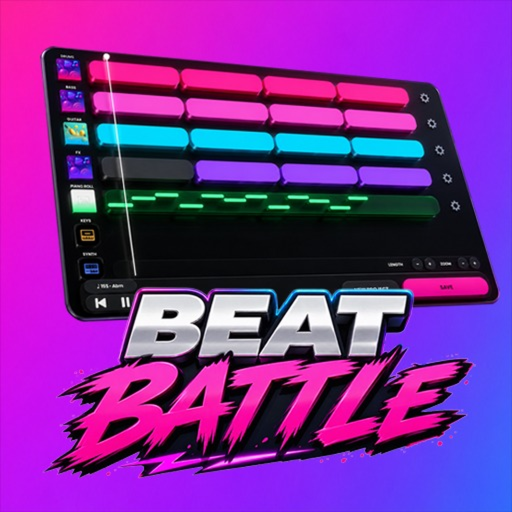
Beat Battles Remix Loops in a Clean Order
Drums, bass, guitar, FX last — then match the stage theme and spend gems like an adult.
Remixing in Beat Battles is arrangement, not crate panic. You paint loops onto Drum, Bass, Guitar, and FX, write a hook on the Piano Roll when the bed needs identity, and you stop when 8–16 bars already sound like a song. The shop exists to fill a silent lane, not to postpone that decision. This page is the order of work, the theme test, and the gem math. Writing rules for notes live on the Piano Roll Guide. Stage delivery lives on How to Win Battles. The catalogue of what boxes can add lives on the loop unlocks. A punch list you can keep open while you arrange lives on the remix checklist.
Arrangement: drums first, FX last
Start on Drum every time. A kick and snare that speak for the full 8–16 bars are the contract with the crowd. If Drum is a two-bar stutter with holes, no Guitar loop will save the vote. Add Bass second so the low end locks to that kick. If the bass clip wanders off the kick pattern, swap the clip before you shop. Add Guitar third as midrange identity or rhythm, not as a second drum kit. FX is last and thin: a riser into the hook, a one-shot on the last bar, not a full-lane wallpaper.
That order is also how you diagnose a bad stack. Quiet kick means Drum, not a new synth. Muddy low end means Bass, not more FX. No melody means Piano Roll or a better Guitar loop, which is a writing problem covered on the Piano Roll Guide. Buying a Full Pack Crate because the mix feels empty is how you collect eight clips that still refuse to lock.
Play the stack from bar one with transport after every lane you add. If you have to mute three clips to enjoy the fourth, you do not have a remix. You have a folder. Mute the offender, do not bury it under FX.
Match the posted theme, including Retro
The stage HUD posts a theme. Retro is the example this wiki will keep using because it is the one we can name without inventing a playlist. Matching theme is not a costume contest. It is whether your 8–16 bars feel like they belong in the room the Current DJ just played. A dusty drum bed, a simple bass, and a hook that does not sprint will read as Retro faster than a maximalist dump of every clip you own.
Do the theme test before you queue, not after YOU’RE UP!. Listen to one full set on stage, then look at your stack. If your Guitar loop is a different era than the room, swap it. If your FX is a modern whoosh over a throwback bed, delete the whoosh. Theme matching is cheaper than a crate and louder than a flame blast. The remix checklist exists so you run that test as a habit instead of a memory.
BPM and key still bind the remix. Promo readouts such as 165 in A-flat minor are a reminder that clips have a home. A loop that ignores the key banner is not edgy; it is two songs at once. Stay in key the same way the Piano Roll page demands, even when you are only painting Guitar.
Gem shop efficiency
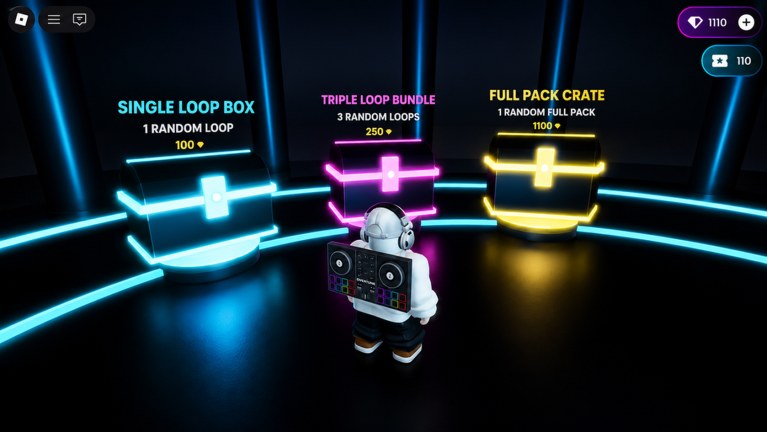
Prices are fixed enough to plan around. A Single Loop Box is 100 gems. A Triple Loop Bundle is 250 gems. A Full Pack Crate is 1100 gems. Cassette currency sits beside gems as a second wallet; do not invent cassette packs this page cannot see. The math is rude and useful. Three Single Loop Boxes would cost 300, so the Triple Loop Bundle saves 50 when you actually need three clips. Eleven singles would cost 1100, so the Full Pack Crate is a bulk dump, not a discount miracle, and it is the wrong first purchase.
Buy a Single Loop Box when one foundation lane is empty — usually Drum or Bass on a new account. Buy a Triple Loop Bundle when you already finish sets and you know you are filling Drum, Bass, and Guitar with intention. Leave the Full Pack Crate until the catalogue itself is the bottleneck, not your arrangement habit. Details of what those boxes can roll sit on loop unlocks. Spend order for DJ Decks after the catalogue is healthy sits on the DJ Decks tier list. This page only stops you from using 1100 gems as a substitute for muting a bad clip.
When to add a Piano Roll hook
Loops can carry a set if Guitar already sings. Add Piano Roll when the bed is solid and the crowd still has nothing to hum. Write a short figure in key, then stop. Do not open Keys and Synth until that figure survives a full listen. Remixing is still drums-first even when you write notes; the Piano Roll is a hook layer, not a new foundation. If you catch yourself drawing notes to avoid choosing a better Bass loop, close the Piano Roll and swap the loop.
Catalogue growth versus billboard climb
Unlocks in Beat Battles include DJ Decks, stages, and effects, plus a wider loop catalogue as you expand. Production level and billboards are the public climb. Sharing a track is the social export. None of those systems require a crate on day one. Finish 8–16 bars that match the theme, queue, vote, then buy the smallest box that fills the lane you actually heard as silent during the set.
If a battle loss makes you open the shop, pause. Loss is usually arrangement or stage presence. Arrangement is this page. Presence is How to Win Battles. Shopping mid-tilt is how Full Pack Crates happen. Run the remix checklist instead, then buy a box only if the checklist marked a missing lane rather than a missing spotlight.
A remix pass you can repeat
- Drum for the full 8–16 bars. No holes you cannot defend.
- Bass locked to the kick. Swap the clip before you shop.
- Guitar in the displayed key. Mute it if it fights the bed.
- Piano Roll hook only if nothing is humming yet.
- FX last, and less than you think.
- Theme test against the current stage, Retro or otherwise.
- Shop: Single Loop Box at 100 if a foundation lane is empty; Triple Loop Bundle at 250 for planned volume; Full Pack Crate at 1100 only when the catalogue is the real limit.
- Queue the stack you already have. Do not remix on stage.
Repeat that pass until the mute button has nothing left to do. That is a remix. Everything after it is performance.
Frequently Asked Questions
Quick answers for remixing, voting, and climbing Beat Battles billboards.
What order should I layer loops in Beat Battles?
Drum, then Bass, then Guitar, then a Piano Roll hook if needed, with FX last and thin. Do not start in the shop.
How do I match a stage theme like Retro?
Listen to the Current DJ, then mute clips that belong to a different room. A simpler drum-and-bass bed with a short hook reads faster than a maximalist dump.
Is the Triple Loop Bundle better than three Single Loop Boxes?
Yes on price: 250 gems versus 300. Still skip the Full Pack Crate at 1100 until you finish sets on purpose. Catalogue notes are on loop unlocks.
When should I write on the Piano Roll instead of painting another loop?
When Drum and Bass already lock and the crowd has nothing to hum. Writing rules are on the Piano Roll Guide.
What do I do after the remix sounds finished?
Run the remix checklist, then take the set on stage with How to Win Battles. Decks come later via the DJ Decks tier list.