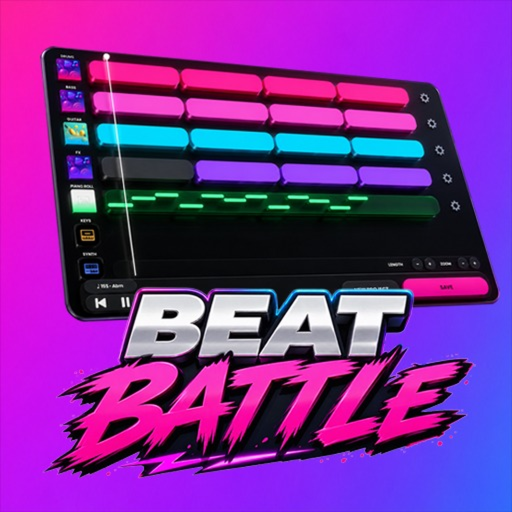
Beat Battles Write a Hook on the Piano Roll
Stay in the displayed key, keep the figure short, and let loops handle the bed.

The Piano Roll lane is the writing surface in Beat Battles. Drum, Bass, and Guitar are where you paint loops. Piano Roll is where you place notes that the crowd can hum after one pass. That split is the whole page. Overtune’s sequencer shows BPM and key on the studio HUD — promo shots use examples such as 165 in A-flat minor — and the Piano Roll only helps you if the notes you drop respect that readout. If you came here to mash random pitches over a kick, go back to Getting Started and finish a drum bed first. If you already have clips fighting each other, How to Remix Loops is the arrangement page. If the hook exists and the crowd still shrugs, take the set to How to Win Battles.
What the Piano Roll lane is for
A loop on Drum is a pattern you drop. A figure on Piano Roll is a melody or riff you write. The lane is built for that second job: short notes, a visible grid, and a hook that sits in the project’s key. You do not need a conservatory vocabulary. You need a phrase that starts on a strong beat, repeats once so the 25-player crowd can catch it, and leaves space for Bass to move underneath.
Keep the first hook inside 8–16 bars, matching the stack length you will actually queue. A Piano Roll that runs for thirty-two bars of new ideas is not ambitious in a battle; it is a different song every four bars. Write four to eight bars of a figure, copy the idea, and change one ending. That is enough identity for stars to attach to.
Stay in the key the HUD already posted
The studio does not hide the key. Read it before you place the first note. If the readout says A-flat minor, your hook should live in that family instead of wandering into a major color that fights the Guitar loop you already painted. You do not have to name modes. You do have to stop adding notes that sound like a second song on top of the bed.
A practical test: solo Piano Roll, then bring Drum and Bass back. If the hook still sounds like the same piece, you are in key. If the hook sounds like a ringtone taped onto a club beat, delete the outlier notes instead of stacking Keys on top to hide them. The tier list can argue spend order for decks and effects later. It cannot rescue a hook that ignores the key banner.
Painting loops versus writing notes
Drum, Bass, and Guitar want clips. You audition a loop, drop it, and listen for whether kick, low end, and midrange already lock. That is painting. Piano Roll wants decisions about pitch and rhythm. You place a note, hear it against the kick, and decide whether the next note answers or crowds it. Do not treat Piano Roll as a fourth loop lane by filling every grid square. Leave rests. A rest is how Bass stays audible and how a Retro-themed stage still feels like a room instead of a download dump.
When a Guitar loop already sings a midrange hook, write a simpler Piano Roll — fewer notes, higher or lower than the guitar, not a unison smear. When Guitar is only texture, the Piano Roll can carry the identity. Either way, Drum stays first. A brilliant melody over silence is not a battle set.
Keys and Synth are not a second Piano Roll
Keys and Synth are extra lanes, not a duplicate writing surface. Use Keys when you need held harmony under the hook — pads, stabs, a simple chord rhythm that does not steal the melody. Use Synth when you want a lead color that is not the Piano Roll figure, or a short answer phrase in the gaps. Do not copy the same notes onto Piano Roll, Keys, and Synth and call that production. The crowd hears three copies of one idea and votes the mud.
If you are still on your first stack, you can ignore Keys and Synth entirely. A Drum bed, a Bass motion, and one Piano Roll hook in key will beat a six-lane smear. Add Keys only after the hook survives a full listen from the top. Add Synth only after Keys has a reason to exist. That discipline is the same arrangement spine as How to Remix Loops, just applied to notes instead of clips.
A hook that survives a battle
Battles reward recognition, not a tour of every pitch you can reach. Front-load the figure so the first bars already have the hook over drums and bass. Do not save the melody for bar twelve. The stage will not give you a cinematic intro; the HUD will say YOU’RE UP! and the crowd will start assigning stars immediately. Match the posted theme with color, not with a lecture. If the theme is Retro, a simple syncopated figure in key will read faster than a busy modern dump of sixteenth notes.
Write, then walk away from the Piano Roll and listen as if you were voting. If you cannot sing the first four notes, simplify. If the last four bars are a new melody, delete them or turn them into a repeat with one changed note. Then queue. Stage presence — Starter Spotlights, Flame Machine, vote politics — is a different skill, covered on How to Win Battles. The Piano Roll’s job ends when the hook is obvious.
Common first-hook mistakes
- Writing before Drum and Bass exist, then wondering why the melody feels thin.
- Ignoring the displayed key and stacking notes that fight the Guitar loop.
- Filling the grid so FX, Keys, and Synth have nowhere to sit.
- Saving the hook for the second half of a 16-bar stack.
- Copying the Piano Roll onto Keys and Synth instead of giving those lanes a different job.
- Treating the Piano Roll like beat-battle.net or a tap-arrow chart: there are no falling arrows here, only notes you place.
Fix those before you buy another loop box. A Single Loop Box at 100 gems will not put you in key. The Full Pack Crate at 1100 gems will not write a rest. The notes you already have, in the key the HUD already posted, are the whole craft of this lane.
A short writing order
- Confirm BPM and key on the studio readout.
- Lock Drum and Bass for the 8–16 bars you will actually play.
- Open Piano Roll and write a four-bar figure on strong beats.
- Repeat that figure, change the last bar, and stop.
- Check Guitar. If it already sings, thin the Piano Roll. If it does not, let Piano Roll carry the identity.
- Leave Keys and Synth off until the hook survives a full listen.
- Queue the stack; do not keep adding notes as a way to avoid the stage.
That order keeps the Piano Roll in its lane. Loops paint the bed. Notes write the hook. The crowd votes the combination, not the grid.
Frequently Asked Questions
Quick answers for remixing, voting, and climbing Beat Battles billboards.
What is the Piano Roll for in Beat Battles?
Writing a short hook in the project's displayed key. Drum, Bass, and Guitar are for painting loops. Keys and Synth are extra color, not a second melody dump.
How do I keep a hook in key?
Read the studio key readout first — promo examples show values such as 165 in A-flat minor — and delete notes that fight the Guitar loop. Solo the Piano Roll, then bring drums back.
Should I use Keys and Synth on my first beat?
Not until Drum, Bass, and a Piano Roll hook survive a full listen. Extra lanes smear the set if they copy the same notes.
How long should a Piano Roll hook be?
Four to eight bars of a figure inside an 8–16 bar stack, with a repeat and one changed ending. New ideas every bar do not read on stage.
Is the Piano Roll a rhythm-game chart?
No. Beat Battles is not Friday Night Funkin and not a tap-arrow trainer. You place notes; the crowd votes. See How to Win Battles for the stage half.
What should I read after this page?
Arrange clips with How to Remix Loops, or go back to Getting Started if you still lack a drum bed. Spend order for unlocks sits on the tier list.